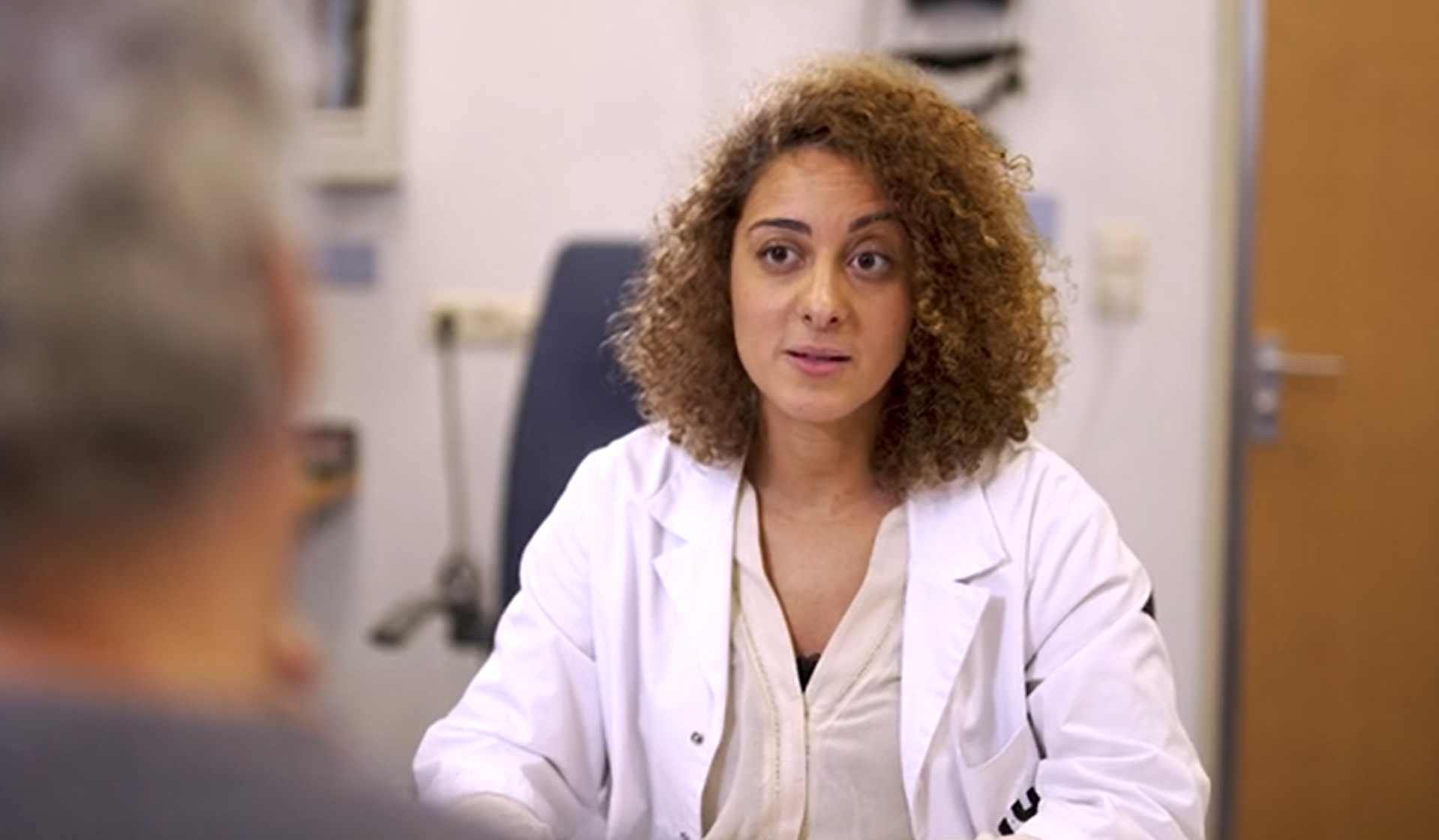
Enhance differential diagnosis of idiopathic vs atypical parkinsonian syndromes with eye movements
1 in 5 people initially diagnosed with Parkinson disease will see their diagnosis of Parkinson’s disease being changed within 2 years.
PRECISION DIAGNOSIS
Recognizing Atypical Parkinsonism: the key to better prognosis & treatment planning.
Idiopathic Parkinson's disease (PD) is the most prevalent form of parkinsonism.
However, atypical variants account for up to 20% of cases 1,2.
MSA
Multiple System Atrophy
CBS
Corticobasal Syndrome
PSP
Progressive Supranuclear Palsy
LBD
Dementia with Lewy Bodies
Atypical forms tend to progress more rapidly, impacting prognosis, and respond poorly to dopaminergic therapy, influencing treatment planning.
1 Dauer, W., & Przedborski, S. (2003). Parkinson’s Disease: Mechanisms and Models. Neuron, 39(6), 889–909. https://doi.org/10.1016/s0896-6273(03)00568-3
2 (n.d.). Parkinson’s Disease vs. Parkinsonism. Parkinson.org. https://www.parkinson.org/sites/default/files/documents/parkinsons-vs-parkinsonisms.pdf
Clinical guidelines highlight “red flags” for atypical parkinsonism
BIOMARKER BASED APPROACH
Comparison of oculomotor features across Parkinsonian Syndromes.
Anderson, T. J., & MacAskill, M. R. (2013). Eye movements in patients with neurodegenerative disorders. Nature Reviews Neurology, 9(2), 74–85. https://doi.org/10.1038/nrneurol.2012.273
Gaymard, B. (2013). Les mouvements oculaires: Intérêt de l’enregistrement des mouvements oculaires en clinique neurologique.
Kobylecki, C. (2020). Update on the diagnosis and management of Parkinson’s disease. Clinical Medicine, 20(4), 393–398. https://doi.org/10.7861/clinmed.2020-0220
Leigh, R. John, and David S. Zee. “Disorders of Ocular Motility with Disease Affecting the Basal Ganglia, Cerebral Cortex, and in Systemic Conditions.” In The Neurology of Eye Movements, by R. John Leigh and David S. Zee. Oxford University Press, 2015. https://doi.org/10.1093/med/9780199969289.003.0014.
From Setup to Insight in Minutes
Objective and rapid oculomotor assessment made simple with neuroClues®.
neuroClues® offers a compact, non-invasive solution for monitoring eye movements in clinical practice in an objective and reproducible way. With minimal setup and no patient calibration, clinicians can perform standardized recordings of saccades, fixation, and pursuit in about 10 minutes. Biomarkers and timecourses are automatically computed and displayed next to reference ranges for simple interpretation and timely decisions.
Reason for Consultation
Clinical parkinsonian syndrome with suspicion of atypical parkinsonian syndrome.
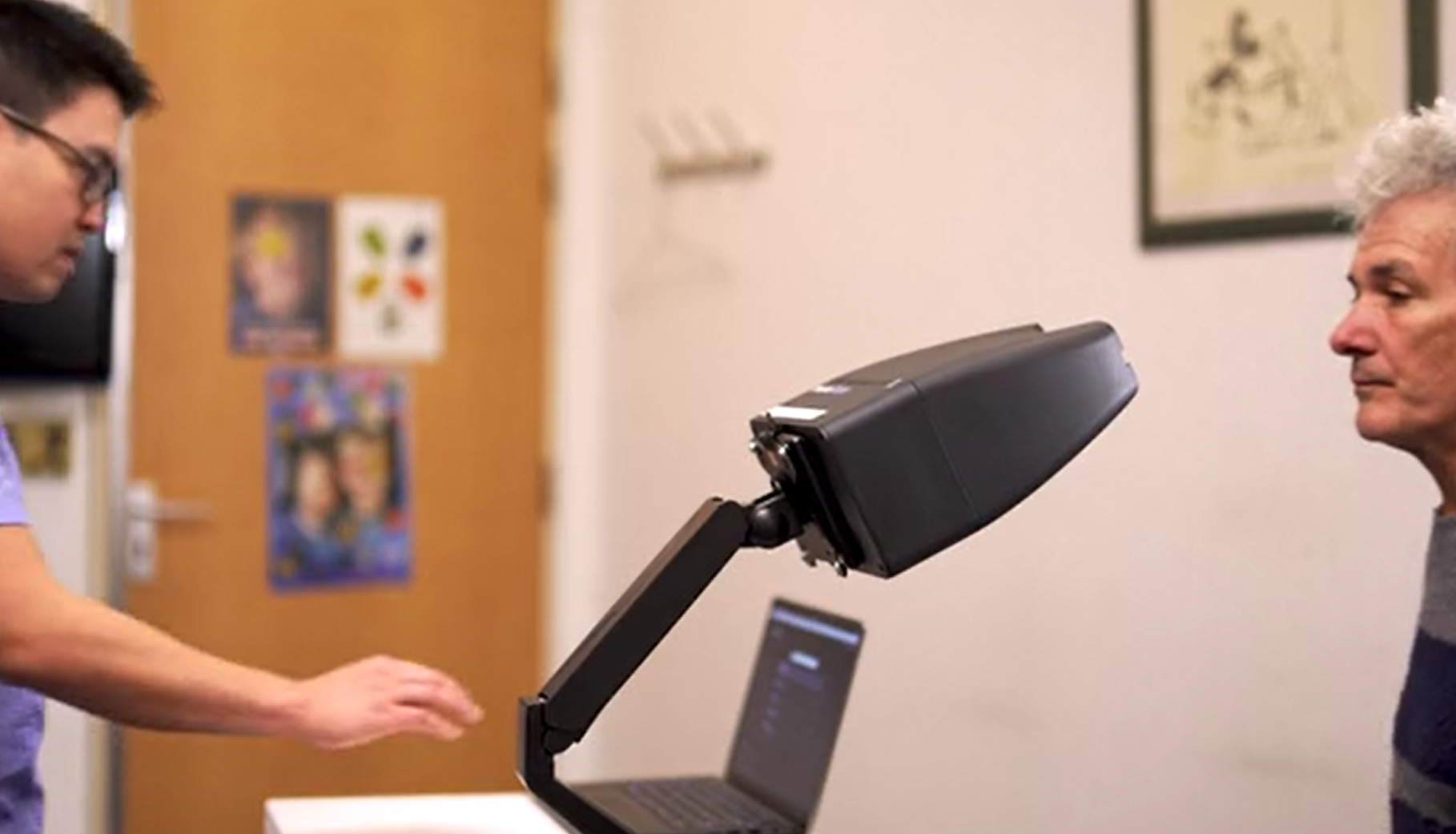
neuroClues® Assessment
Execute selection of Protocols for extrapyramidal evaluation
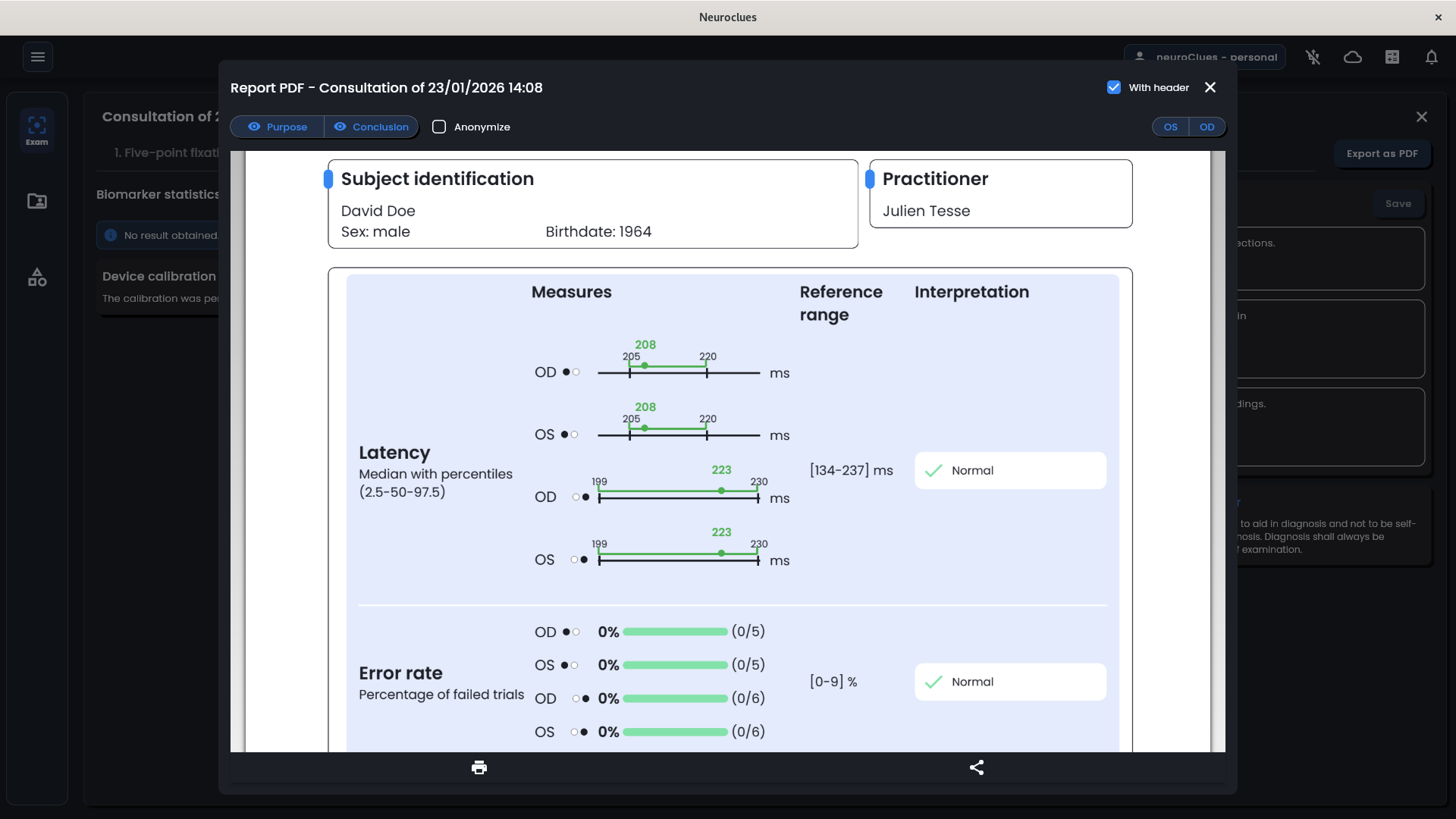
Interpretation & decision
Evidence supporting the diagnostic hypothesis
Examples of recording with neuroClues®